
by Nicolas Geant | May 22, 2018 | News
Opening your hive Beekeepers shouldn’t open their hives to satisfy their curiosity but only when they need to achieve a specific task and ideally not too early in the morning so that bees have time to wake up and leave. Be sure to only visit them when necessary, as an...

by Nicolas Geant | May 5, 2018 | News
Setting up a hive is creating an apiary, no matter the current or future size of it. Picking the right location for your apiary is essential: the location determines future harvests, colonies’ cycles and your work as a beekeeper. It is best to avoid windy, shaded,...
by Nicolas Geant | Apr 18, 2018 | News
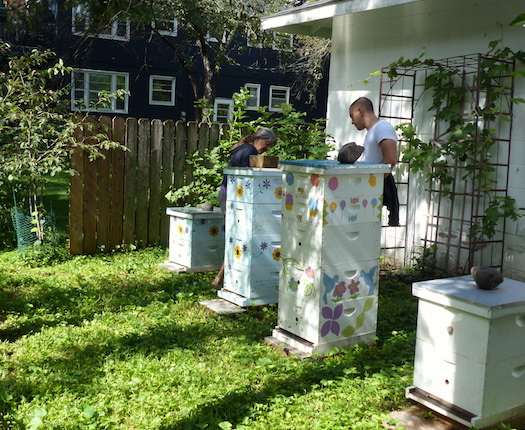
Beekeepers whom owns only a few beehives tend to keep them in their private garden or balcony.However, when one owns beyond 20 beehives, it requires picking out a specific location.Here are our top 6 tips to do so: Don’t overcrowd the area The most restrictive search...

by Nicolas Geant | Feb 17, 2018 | News
Use since human are bee hunter The Honey bee communicate mostly through pheromon (aka : odors), every different “smell” as its own signifiacation. So the bees have an incredible sense of smell. A fairly common misinterpretation is that the use of smoke “put asleep”...
by Nicolas Geant | Jan 31, 2018 | News
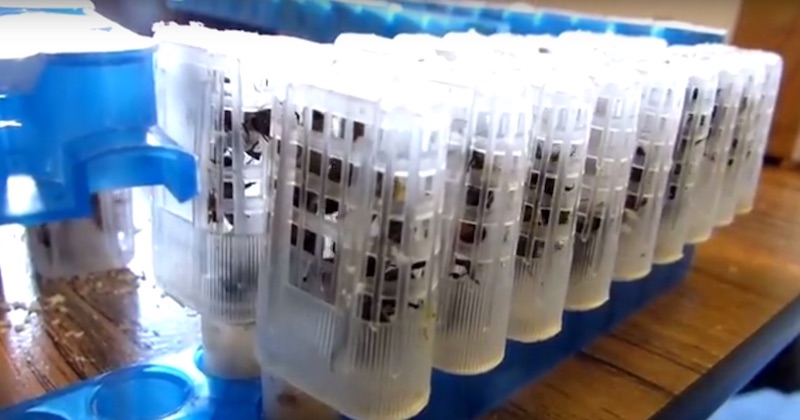
Honey bees are famous for their buzzing, but can bees actually “sing”? Bees do not sing like birds, but they produce sounds and vibrations that play an important role in communication inside the colony. One of the most fascinating examples is the distinctive sound...
by Nicolas Geant | Jan 15, 2018 | News
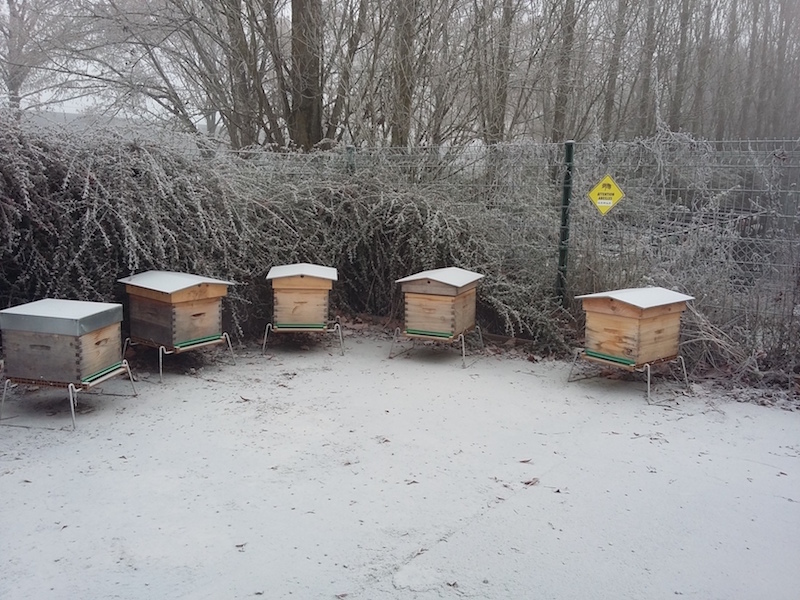
Our beehive is just a wooden box with a flat roof… …Exactly 10 feet away from our bay windows. It’s quite close to the house and it’s never stopped me from mowing the lawn around it, in spring and summer last year, because it’s full of nice bees… At...