
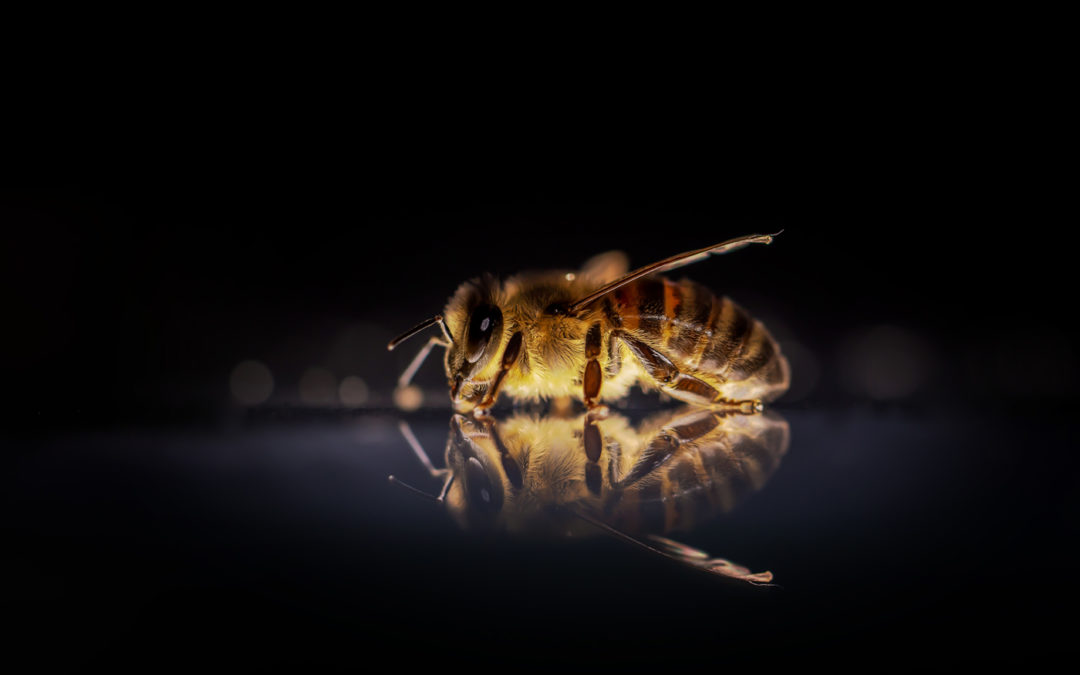
Choosing the right queen is one of the most important decisions in beekeeping. The queen influences the colony’s productivity, temperament, population growth, and ability to cope with parasites and diseases.
At Beeopic California, I primarily work with Italian VSH queens. This choice is based on two main factors: our Mediterranean climate and the need to improve the natural resistance of our bees to Varroa mites.
1. Italian Bees Are Well Adapted to Our Mediterranean Climate
The San Francisco Bay Area has a Mediterranean climate, characterized by mild, wet winters and long, dry summers.
This is remarkably similar to many parts of Italy, where Italian honey bees (Apis mellifera ligustica) originated.
There is also an interesting geographical connection: the Bay Area lies at approximately the same latitude as Sicily and southern Italy.
Of course, latitude alone does not determine climate. California and Sicily have different rainfall patterns, vegetation, and seasonal cycles. But both regions share conditions in which Italian bees perform particularly well: relatively mild winters, long active seasons, and extended periods when colonies can maintain brood.
For my operation, this is important. I want colonies that can build strong populations in spring, remain productive through our long California season, and respond quickly when forage becomes available.
Italian bees are particularly well suited to this type of management.
2. The Future of Varroa Control Is Also Genetic
Varroa destructor remains one of the biggest threats to honey bee colonies.
Treatments are still necessary in many situations, but I don’t believe that the long-term answer can rely only on treatments.
Part of the solution must come from genetics.
This is why I work with queens selected for VSH — Varroa Sensitive Hygiene.
VSH bees can detect brood cells containing reproducing Varroa mites. Workers uncap and remove affected brood, interrupting part of the mite’s reproductive cycle.
This does not mean that VSH genetics eliminates Varroa or makes monitoring unnecessary. It means that we are adding another line of defense inside the colony itself.
My objective is simple:
Monitor Varroa + treat when necessary + continuously improve the genetics of the bees.
Over time, I believe this approach can reduce our dependence on treatments while building healthier and more resilient colonies.
3. Working with Specialized Queen Breeders
Good genetics requires good breeders.
I currently work with three queen breeders so that I can compare different bloodlines and avoid depending on a single genetic source.
One of them is Olivarez Honey Bees, a well-known California queen breeder.
Among the genetics I use is the Golden West line, developed through selection work involving beekeeper and researcher Randy Oliver.
What interests me is not simply buying a queen labeled “VSH.” I want to observe how these colonies actually perform under our conditions in Northern California:
- Varroa levels
- Brood pattern
- Spring population buildup
- Honey production
- Temperament
- Swarming tendency
- Colony survival
Selection only becomes meaningful when genetics are tested under real local conditions.
Building Better Bees for California
Beekeeping is changing.
For decades, much of our approach to Varroa has focused on finding better treatments. Treatments remain an important tool, but I believe the next step is to combine good management with better genetics.
At Beeopic California, my goal is not to find a “perfect bee.” It is to progressively select colonies that are productive, gentle, adapted to the Bay Area climate, and naturally better equipped to live with Varroa pressure.
Italian VSH queens currently provide the combination I am looking for.
And every season gives us more information about which colonies deserve to become the parents of the next generation.
Better bees start with better queens — but they are proven in the field.